










Postpartum Hair Loss : What’s Normal, What Helps
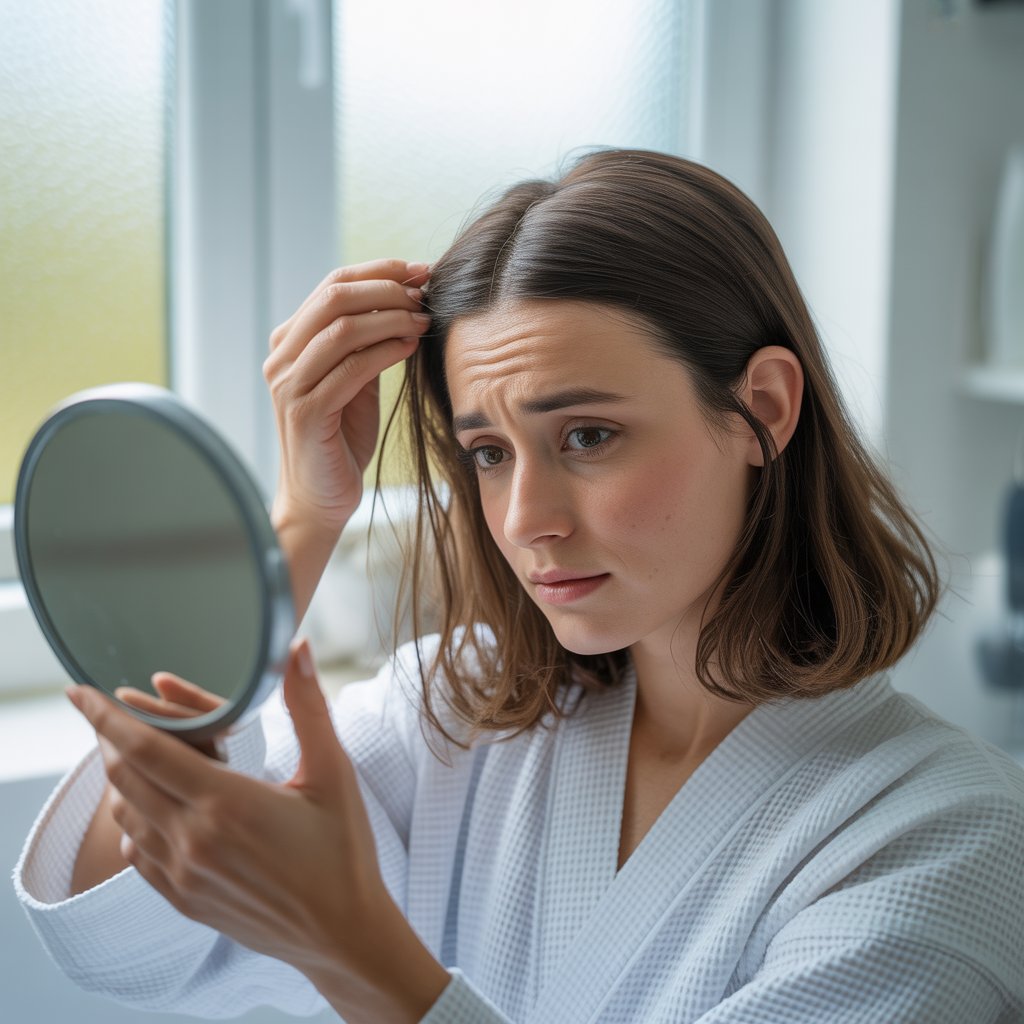
The birth of a new life is a happy and radical process, which is accompanied not only by emotional peaks but also physical ones, which may be overwhelming. Among the most frequent (but usually unexpected) changes of the postpartum is Hair Loss After Childbirth. You are not alone and this is because you have found yourself having more strands in your brush or shower drain. The knowledge of the reasons of postpartum loss of hair, the time of its maximum, and the way to take care of your hair will help to make this process much easier.
What Is Postpartum Hair Loss?
A temporary loss, which happens after giving birth, is medically identified as Postpartum Hair Loss, that is also referred to as telogen effluvium. High levels of estrogen during pregnancy increase the hair growth period (anagen) which results in thicker fuller hair. Postnatally the estrogen levels decreases significantly and more hairs are forced to reach the resting phase (telogen) and shedding.
It is this change of hormones that makes many women give noticeable attention to the fall of hair a few months after delivery.
The Timeline: When It Starts and When It Peaks
Postpartum Hair Loss begins in most new mothers around 3 months following delivery and shedding normally Peaks 3-6 Months. To most of them, it slows down gradually and settles down by the time the baby attains his first birthday.
Nonetheless, it is possible that the precise timeline may depend on the genetic factors, general health and the level of stress. Hair shedding takes a longer time in women who have lost a lot of blood during delivery or women with nutritional deficiencies.
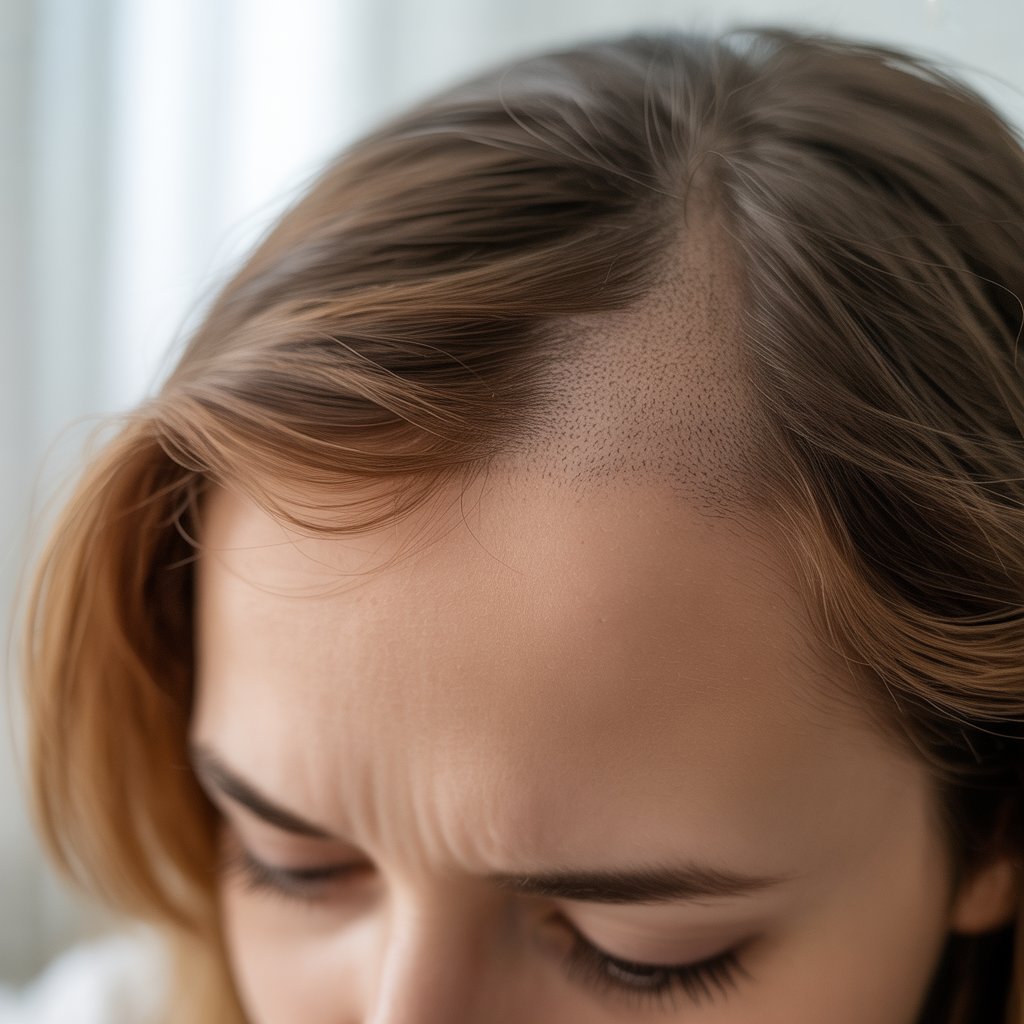
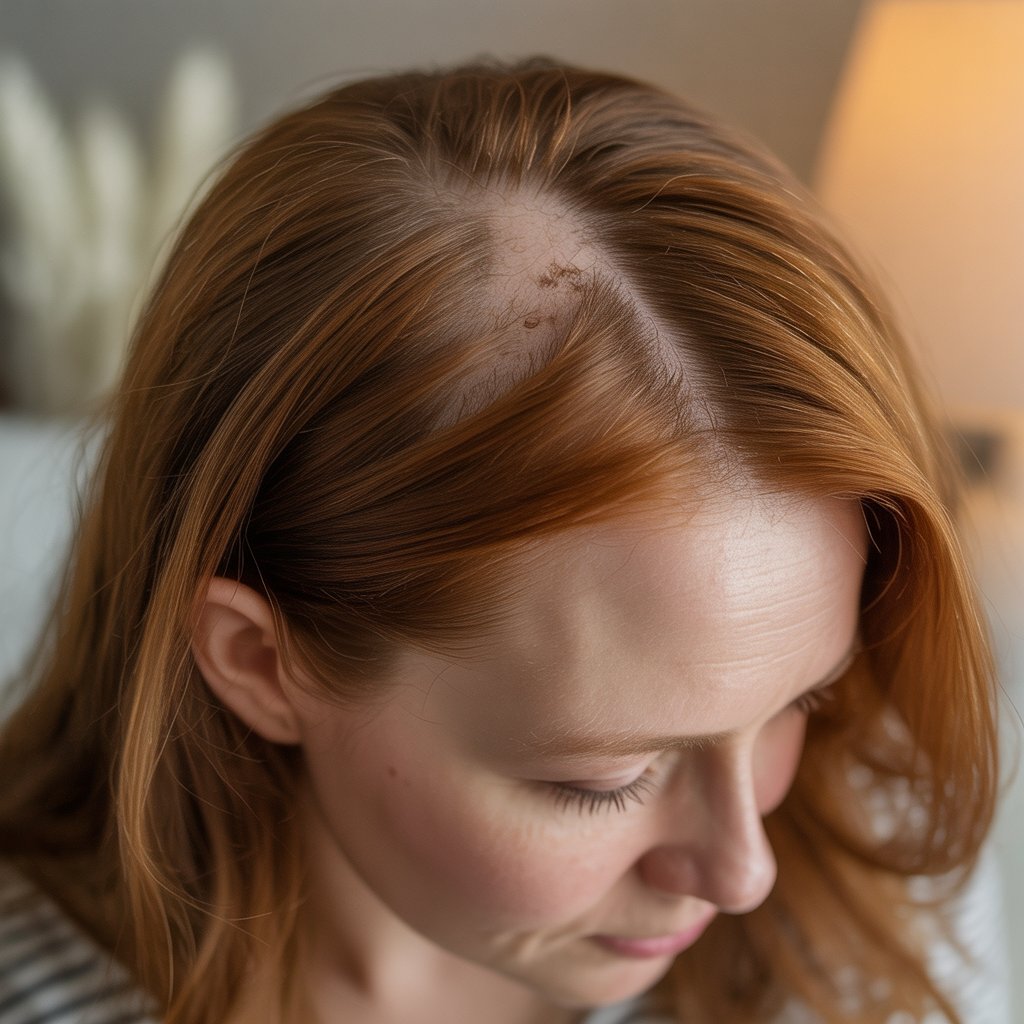
In case of prolonged excessive hair loss, which may occur after a year or bald spots, or scalp irritation, it would be a good idea to televisit a dermatologist or trichologist to exclude such underlying diseases as thyroid imbalance or anemia.
Nourish from Within: The Role of Nutrition
The first step towards healthy hair is to eat well- this is not always easy when a person has a baby and is going through the childbirth process. Balanced meal assists in restoring the necessary nutrients in your body so as to grow hair.
The important nutrients that help in hair health are:
- Protein: Hair consists of the protein keratin as the chief component. Use lean meat, eggs, tofu, lentils and dairy.
- Iron: The deficiency of iron may lead to hair loss. Foods rich in iron such as spinach food, red meat and fortified cereals are good.
- Vitamin D, and B-Complex: Vitamins help to boost the growth of the follicles and general health of the scalp.
- Omega-3 fatty acids: They occur in fish, flaxseeds and walnuts and they keep the scalp in a healthy environment.
- Hydration: Sufficient consumption of water facilitates blood flow and blood supply to the hair follicles.
In case you find it hard to continue with a nutrient-enriched diet, particularly in your initial months following the birth, then consult your healthcare provider regarding the supplements that are suitable in your case.
Kindly Hair Styling Rituals: Defend, Non-Stress
During this stage, your hair requires some additional tendencies. Maintaining soft habits may assist in reducing the amount of breakage and ensuring that your hair is presentable:
- Use gentle hair-sensitive shampoos.
- Comb straightens with wide-tooth combs to ensure that the scalp is not stressed.
- Please do not use tight hair styles like ponytails or buns that tug the roots.
- Avoid excessive heat styling, since blow dryers and straighteners may exacerbate the level of dryness and breakage.
- Frequent haircuts allow avoiding split ends and keeping the hair in a healthy condition.
- Light oils such as coconut or argan oil can be used in scalp massage and will promote blood flow and relaxation.
There is a lot of Women Hair Care Products that are specifically designed to meet post partum requirements that are fortified with biotin, keratin, and plant based extracts to give strength and volume. Find light formulas that will nourish without dragging hair down.
When to Seek Professional Help
Although Postpartum Hair Loss is not permanent, continued loss or prominent thinning after 12 months could be symptomatic of other ailments. A dermatology teleconsult is a convenient method to communicate regarding symptoms, send pictures, and get specific recommendations all without leaving home.
A physician can suggest a blood test to diagnose the iron deficiency, thyroid dysfunction, or hormonal disturbances. Anxiety and faster recovery can be achieved by early diagnosis and specific treatment.
Patience and Self-Care
One should bear in mind that it is a normal response of the body as a result of childbirth to lose hair. It is a process of rebalancing, post-pregnancy, and in the majority of the cases, hair grows normal with time, care and a balanced diet.
In addition to topical care, self care is important. Take breaks where you can, find relief in meditation or light physical activity, and be forgiving of yourself, you have been through a lot and your body is taking its time to recuperate.
The Bottom Line
Postpartum hair loss typically Peaks Around 3–6 Months After Childbirth and gradually improves within a year. Supporting your hair with nutrient-rich foods, gentle care routines, and the right women’s hair care products can make the transition smoother.
If you’re concerned about the extent of shedding or notice uneven patches, don’t hesitate to teleconsult with a healthcare professional for guidance. With the right support and patience, your hair—and confidence—will grow back stronger than ever.
If you’re experiencing significant Postpartum Hair Loss and feel unsure about what’s normal, For expert in-clinic consultations, visit Nexus Clinic it’s. You can book a teleconsultation with certified doctors through trusted platforms like DoctorOnCall for personalized assessment, nutritional advice, and tailored hair restoration options.

Written by Dr. Chong Zhan Pong, MBBS, International Medical University (IMU), Malaysia

Reviewed by Dr. Von Chiao Wen, MD (General Medicine), N.I. Pirogov Russian National Research Medical University, Russia
