










Benzoyl Peroxide vs Adapalene vs Clindamycin : Build the Right Routine
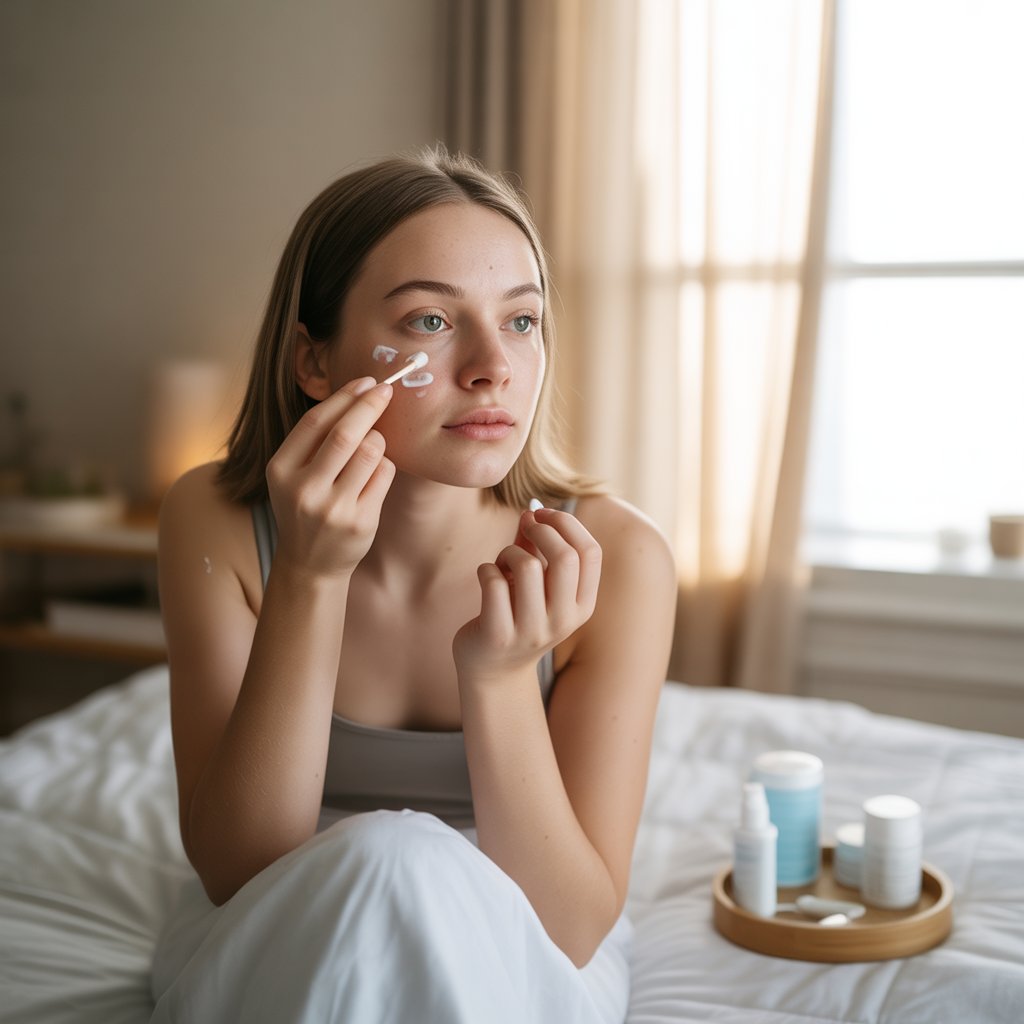
Treatment of acne is a puzzling experience, particularly when one is confronted with Benzoyl peroxide, Adapalene, and Clindamycin, but each is specific to the treatment of breakouts. Although all three are endorsed by dermatologists, combining them (or using them separately) can result in your success or failure. This guide will compare the effect of Benzoyl Peroxide + Adapalene vs Clindamycin, how to reduce irritation, and demonstrate how to organize a successful course of action in terms of AM/PM Routine that is easy to follow with simple tables.
Understanding the Ingredients
Before diving into the routine, let’s break down what each ingredient does and when it’s most effective:
| Ingredient | Type | How It Works | Main Benefits | Common Side Effects |
| Benzoyl Peroxide (BPO) | Antibacterial | Kills acne-causing C. acnes bacteria, reduces oil buildup | Prevents and treats inflamed pimples | Dryness, redness, mild irritation |
| Adapalene | Retinoid (Vitamin A derivative) | Promotes cell turnover, prevents clogged pores | Smooths texture, reduces comedones and acne scars | Dryness, peeling, sun sensitivity |
| Clindamycin | Topical antibiotic | Reduces bacterial growth and inflammation | Calms redness, helps inflammatory acne | Antibiotic resistance if overused |
The ingredients perform a different role:
- Benzoyl Peroxide prevents bacteria and inflammation.
- Adapalene helps to avoid clogged pores and controls the renovation of the skin.
- Clindamycin decreases the number of bacteria and relieves the erythema.
Benzoyl Peroxide vs Adapalene: The Ultimate Comparison
The two are both non-prescription acnes medications, however, they act in different ways:
Benzoyl Peroxide vs Adapalene:
- BPO is fast-acting and is used to fight bacteria and eliminate active pimples.
- Adapalene is a slow and preventive agent that enhances the skin cell turnover and prevents further outbreaks.
- They are compatible (BPO AM + Adapalene PM) in the overall treatment of acne.
BPO is first useful in case your acne is predominantly inflamed (red, pus-filled bumps). In case it is more comedonal (blackheads and whiteheads), use adapalene.
Adapalene Clindamycin: A Smarter Pairing
It can be a matter of choice between adapalene and clindamycin:
- Adapalene helps to prevent the development of acne.
- Clindamycin would reduce active break out by battling bacteria.
- They are used in combination to form synergy that is, adapalene maintains the clarity of the pores as clindamycin minimizes the existing inflammation.
Clindamycin however is not supposed to be used long term and should be combined with benzoyl peroxide to reduce cases of antibiotic resistance. A great number of dermatologists suggest that a combination of BPO and Clindamycin gel in the morning and adapalene in the evening works better.
Building the Right AM/PM Routine
Consistency and balance are key to successful acne care. Here’s how to structure your skincare with minimal irritation:
AM Routine Table
| Step | Product | Example Ingredient | Purpose |
| 1 | Gentle Cleanser | Non-foaming, hydrating cleanser | Removes oil and residue without stripping skin |
| 2 | Treatment | Benzoyl Peroxide (2.5–5%) or BPO + Clindamycin combo | Fights acne-causing bacteria and reduces inflammation |
| 3 | Moisturizer | Lightweight, oil-free, non-comedogenic | Restores barrier and prevents dryness |
| 4 | Sunscreen | SPF 30+ | Protects against UV damage and retinoid irritation |
💡 Tip: Always apply moisturizer after treatments to minimize dryness or irritation from benzoyl peroxide.
PM Routine Table
| Step | Product | Example Ingredient | Purpose |
| 1 | Gentle Cleanser | Cream or micellar cleanser | Cleans without over-drying |
| 2 | Treatment | Adapalene (0.1% or 0.3%) | Promotes cell turnover, prevents clogged pores |
| 3 | Moisturizer | Soothing, ceramide-based | Replenishes barrier, reduces peeling |
💬 Pro Tip: If your skin feels sensitive, apply moisturizer before and after adapalene (“sandwich method”) to buffer irritation.
Irritation Minimization Strategies
Because all the three ingredients have the ability to dry or irritate the skin, particularly when their use is combined, it is important to begin gradually:
Introduction: Start with all other nights on adapalene
- Reduce the strengths: Begin with 2.5% benzoyl peroxide and 0.1% adapalene.
- Apply a lot of moisture: Hydration decreases scaling and increases tolerance.
- There will be no negotiations over sunscreen: Retinoids cause skin photosensitivity.
- Do not use overlapping actives: Do not put BPO and adapalene on top of each other at first, divide them into AM/PM application.
In case of redness, peeling that is stinging, or excessive, continue treatment is longer than two weeks, discontinue treatment and seek the advice of a dermatologist.
The Times to Seek Professional Guidance
In case your acne has not improved in 8-12 weeks or has made it worse, professional assistance can pay off. Dermatologists can also evaluate your skin type, modify the dosages, and prescribe specific combinations, e.g. prescription-grade Adapalene + Clindamycin gels or oral treatment in severe cases, through teleconsultation and For expert in-clinic consultations, visit Nexus Clinic and Platforms like DoctorOnCall offer personalized acne care plans, ensuring safe and effective results with minimal irritation.
The Bottom Line
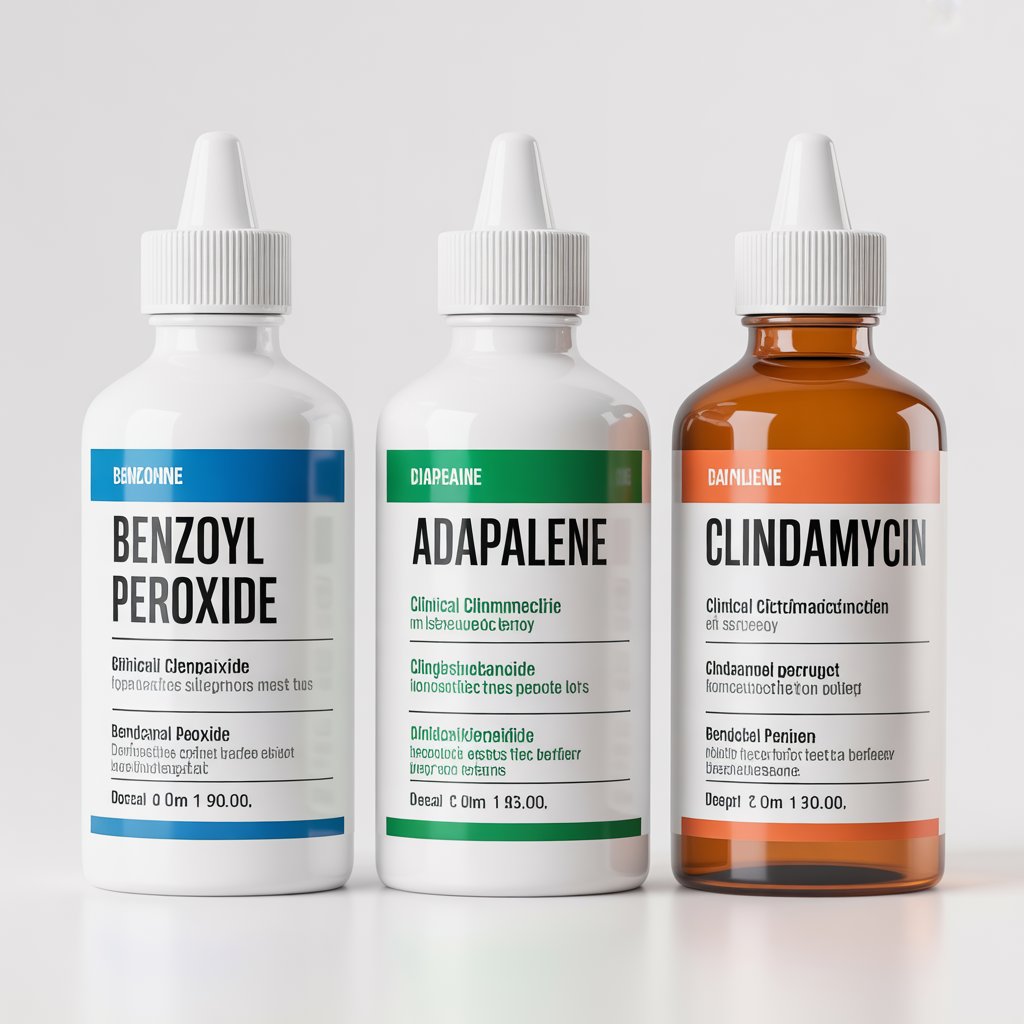
- Benzoyl Peroxide : Rapid action bacteria killer (AM).
- Adapalene : Long term pore refiner (PM).
- Clindamycin : Inflammation calmer (with BPO or short-term).
Get to know the differences of Benzoyl Peroxide vs Adapalene vs Clindamycin and build your own routine of fighting acne that is effective and sensitive at the same time. Adhere to a systematic AM/PM Routine, focus on skin barrier health, and use professional help when necessary the secret of getting clear skin is all about balance and patience.

Reviewed by Doctoroncall Panel Doctor.
