










Emergency Contraception: Window, Effectiveness, What to Expect
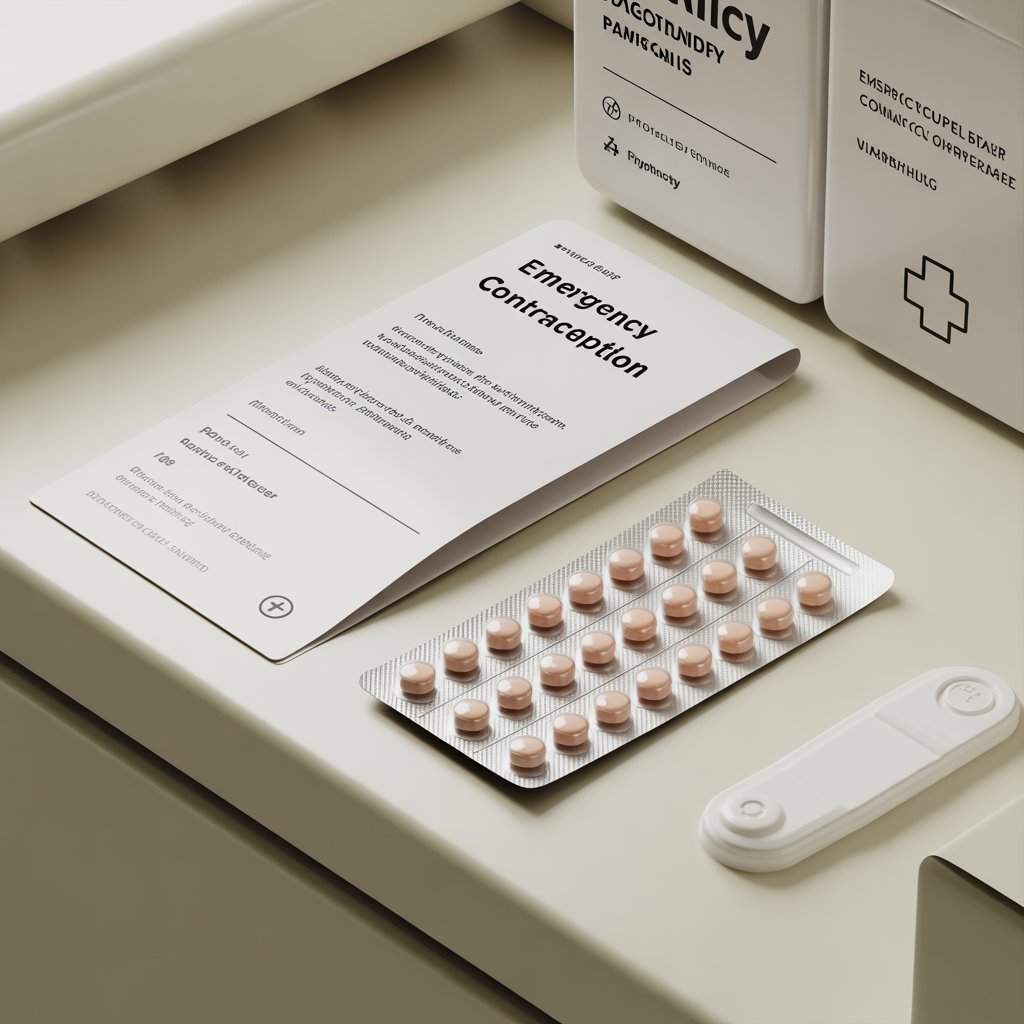
EC is a safe method of emergency birth control; therefore, it can prevent pregnancy following unsafe sex or contraceptive failure. Emergency contraception may provide some peace of mind whether a condom failed, you forgot your birth control pills or had unprotected sex but time and the right type are important.
The guide offers you the explanation of the 72 – 120h Window, the effectiveness rates and the Weight/BMI Considerations, so that you can make the right decision when it counts the most.
What Is an Emergency Contraception?
Emergency contraception (EC) is a technique employed in the prevention of pregnancy following unprotected sexual intercourse. It is not an abortion pill, but, in fact, it performs mainly its task by postponing ovulation, thereby ensuring that no sperm has an egg.
There are two main types of EC:
Emergency Contraceptive Pills (ECPs):
- Levonorgestrel (Plan B One-Step and generics): Optimum in 72 hours (3 days).
- Ulipristal acetate (ella ®): 120 hours (5 days) efficacy.
Copper IUD (Paragard):
This device should be implanted by a medical practitioner within 5 days after unprotected intercourse. It is the best EC alternative but is less available when one needs it urgently.
Time: Knowing the 72120h Window
The emergency contraception depends on the timing of its application.
- Levonorgestrel (LNG): This drug is most effective in 72 hours (3 days). The effectiveness of it declines substantially beyond this window.
- Ulipristal acetate (ella): This is one that does not wear off after sex even 120 hours (5 days) later.
- Copper IUD: The insertion has to be done with a 5-day period and is effective even in the event of impending ovulation.
When in doubt when ovulation took place, or it has been over 72 hours but under 120, ellas or a copper intra uterine device is best.
Key takeaway: The 72–120h window is critical. If you’re past 72 hours, don’t assume you’re out of options—just choose the right method.
Weight/BMI Considerations
Not all people know that weight and BMI may influence the efficiency of some emergency contraceptive methods, in particular, pills.
Levonorgestrel (LNG):
- Not as effective in individuals with BMI greater than 25 or those over 165 lbs (75 kg).
Ulipristal acetate (ella):
- Has greater efficacy in BMI up to 35 and is therefore more suitable when the body weight is high.
Copper IUD:
- Weight or BMI does not influence it therefore is the best option in all body types.
In case you are not within the recommended weight or BMI range, discuss with a pharmacist or other health care provider which EC method is optimal to you. In other instances, one may consider doubling the dose of levonorgestrel although this should be done under medical advice.
Expectations After Emergency Contraception
Side Effects
The EC pills are tolerated by the majority of people. Common side effects include:
- Nausea
- Headache
- Fatigue
- Breast tenderness
- Alterations in your next period (it can be earlier, later or more/less serious than usual)
The symptoms tend to disappear in a couple of days.
When Will My Period Come?
The period of your arrival must not be later than 1 week of what has been expected. In case it is more than 7 days late, or in case your period is very light or heavy, have a pregnancy test.
Am I O.K. to Return to normal birth control?
Yes–but it will depend upon what EC you had:
- Levonorgestrel: Recommence hormonal birth control.
- Ulipristal acetate: Wait 5 days prior to initiation or relapse of hormonal contraceptives as it may interfere with its effect.
Wear condom to remain safe in this period.
Where to Get Emergency Contraception
- Levonorgestrel is also sold over the counter and without a prescription in the majority of pharmacies or via internet.
- Ulipristal acetate (ella) is a prescription drug in the U.S., although telehealth providers can prescribe and deliver it fast.
- Copper IUDs need a clinic visit- Parenthood and part of the OB/GYN offices can do immediate insertions.
Tip: Keep EC on hand before you need it. Many people buy it in advance to avoid the stress of finding it within the short time window.
Final Thoughts
Emergency contraception is a powerful tool—but it’s most effective when used correctly and quickly. Know the options:
- Within 72 hours? Levonorgestrel works well, especially if your weight is under 165 lbs.
- Within 120 hours? Ulipristal acetate or a copper IUD is the better option, especially for those with higher BMI.
- Want maximum reliability, regardless of timing or weight? Ask about the copper IUD.
Don’t wait. If you’re within the 72–120h Window, act now. Talk to a pharmacist, contact a telehealth provider, or visit a clinic to get the method that works best for your situation.
If you’re considering Emergency Contraception, it’s essential to seek professional medical advice to ensure safe and effective results. For expert in-clinic consultations, visit Nexus Clinic, Alternatively you can access licensed medical advice and conveniently purchase prescribed Emergency Contraception – Such as ella – Online through DoctorOnCall.

Reviewed by Doctoroncall Panel Doctor.
