










Isotretinoin Guide: Who Qualifies, Tests Needed, Side Effects & Aftercare
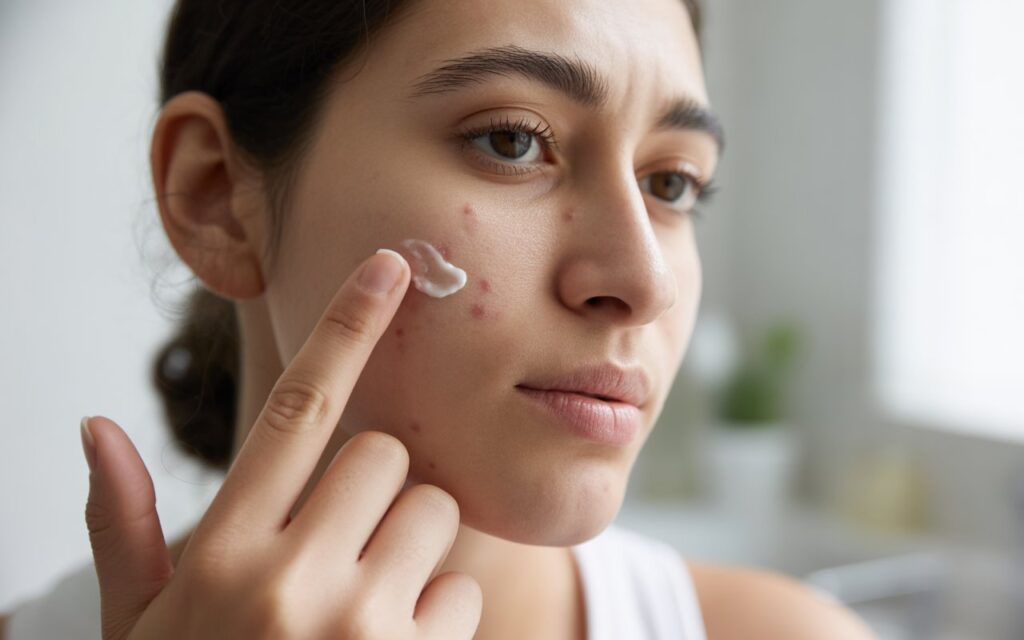
Acne, which is severe or treatment-resistant, may not only affect the appearance of a person but also cause a lack of confidence and mental health. Isotretinoin (Accutane) is a permanent remedy to many, but an immensely effective and potentially dangerous form of acne therapy.
This guide includes such information as: who may use Isotretinoin, the lab tests required, safety precautions (including Pregnancy Prevention), side effects, and how to care for your skin during and after taking the medication.
Indications of Isotretinoin Treatment
Isotretinoin is a vitamin A derivative that is used to treat:
- Severe nodulocystic acne or scarring acne.
- Topical therapy and antibiotic-resistant moderate acne.
- Possible recurrence of acne following several courses of treatment.
It is active by decreasing the size of oil glands, diminishing the bacteria Cutibacterium acnes and normalizing the cell turnover of the skin – that is where acne originates.
But then again not everyone can use isotretinoin. Patients who have liver disease or high cholesterol or women intending to become pregnant should consult their dermatologist on risk factors before starting.
Pregnancy Prevention Requirements and Safety
Pregnancy prevention is one of the most essential safety precautions of the isotretinoin treatment. The drug is very teratogenic – that is, it is capable of inducing severe birth defects in case it is taken when one is pregnant.
The Main Safety Measures Are:
- Compulsory pre-treatment, in-treatment, and post-treatment pregnancy testing.
- Reliable contraception (e.g., mutually exclusive, oral contraceptives + condoms) 1 month before, during and 1 month post-course isotretinoin.
- No blood donation during treatment and 1 month after.
There are pregnancy prevention initiatives (such as iPLEDGE in the U.S.) so that they can be used safely. Such systems or otherwise, dermatologists and teleconsult/derm services tend to implement similar safety measures prior to prescribing isotretinoin.
Lab Tests Before and During Isotretinoin Treatment
Due to the impact of isotretinoin on hepatic, cholesterol, and triglyceride, frequent labs are necessary.
Typical Lab Tests Include:
- Liver function test (LFT) – follows possible liver overload.
- Lipid profile- tests cholesterol and triglyceride.
- Pregnancy test- all the women who are of child bearing age.
The majority of dermatologists require baseline lab tests prior to treatment onset, and subsequently after 1-2 months, and periodically afterwards.
When you are using online teleconsult service, your dermatologist can also send out digital lab forms and results to look at you across the internet and decide how to change your dose or do refills.

Accutane (Common Isotretinoin) Side Effects
Although isotretinoin is very effective, it is associated with side effects which are foreseeable, and manageable. Knowing these young ones, you are always on track and safe.
Most Common Side Effects
- Dry lips and skin
- Dry eyes and nasal passages
- Sun sensitivity
- Pains in the muscles or mild joint pain.
Less Frequent or More Severe Effects
- High cholesterol/liver enzymes.
- Mood changes (infrequent; report to your physician always)
- At the beginning of the initial few weeks, temporary acne flare-up.
These are side effects that are likely to clear upon treatment. It can be of great assistance to keep oneself hydrated and adhere to a specific skincare regime in order to deal with the issue of dryness.
Dryness Care Kit: Helpful Products in Times of Isotretinoin
Dryness Care Kit A dryness care kit assists in reducing discomfort and shielding your skin barrier during treatment. Depending on the online derm consults or a dermatologist, a few supportive products are usually suggested to be assembled:
- Gentle Cleanser
– low fragrance, no foam (e.g. CeraVe Hydrating Cleanser, Avene Cleanance Hydrating Gel)
- Barrier Moisturizer
– Find ceramides, glycerin or hyaluronic acid.
- Lip Balm or Ointment
– Better are petrolatum-based products (such as Aquaphor or Vaseline).
- Sunscreen
– Broad-spectrum SPF 3050, oil-free and non-comedogenic.
- Eye Drops & Nasal Spray
– Saline sprays and artificial tears are used in order to calm the dryness.
These assistive products will minimize irritation and enable patients to take the course without suffering.
Aftercare: Post-Isotretinoin Maintenance
After you finish your Isotretinoin course, the acne will not come back as often -although not never. To maintain your results:
- Persist with a light and non-comedogenic skincare regimen.
- Not to use aggressive exfoliants 6 months after treatment.
- Make regular appointments with your dermatologist or teleconsult provider.
- Sometimes, it is recommended to use topical retinoids to avoid blocked pores.
It can take several months to be sensitive on your skin, and therefore barrier repair and patience are important aspects of aftercare.

Teledermatology and Teleconsult
Isotretinoin treatment is more accessible in the digital world of teleconsults. By means of secure video calls and online monitoring:
- Dermatologists are able to access lab results remotely.
- Give abortion prevention counseling.
- Safe and effective dose of isotretinoin.
- Prescription Refills- Recommend supportive Dryness Care Kits.
For expert in-clinic consultations, visit Nexus Clinic Also Trusted online services like DoctorOnCall offer expert dermatology consultations tailored to isotretinoin users.
The Takeaway
Isotretinoin remains one of the most effective acne treatments available, but it demands responsibility, monitoring, and proactive skin care. Always work closely with a qualified dermatologist or teleconsult/derm service to ensure safety — from lab tests and pregnancy prevention to managing Isotretinoin Side Effects with the right dryness care kit.
With proper guidance and aftercare, isotretinoin can deliver transformative, lasting results — helping you achieve clearer, healthier skin with confidence.

Reviewed by Doctoroncall Panel Doctor.
