


SGWeightloss

What to Eat (and Avoid) While Using Ozempic: A Complete Guide

What Is Ozempic and How Does It Work?

Ozempic is a prescription medication that contains semaglutide, a GLP 1 receptor agonist used to improve blood sugar control and support weight management. Doctors may prescribe it for adults with type 2 diabetes and, in some cases, obesity management under medical supervision. Semaglutide works by slowing stomach emptying, reducing appetite, and improving insulin response after meals. Many patients feel full faster, which may help lower calorie intake and support gradual weight reduction. Interest in Ozempic Singapore weight loss treatments has increased because patients want medically supervised alternatives to restrictive dieting and unsustainable fat loss programs.

In Singapore, Ozempic is a prescription only medication. Patients should avoid buying it from unverified sellers or overseas marketplaces because counterfeit injections and improper storage may affect safety.

Why Is Ozempic Popular for Weight Loss?

Many adults struggle with cravings, portion control, and repeated weight regain after dieting. Semaglutide targets appetite regulation pathways in the brain, which may help patients maintain healthier eating patterns. Doctors often combine Ozempic treatment with lifestyle changes, including nutrition planning, exercise, sleep management, and ongoing monitoring. Patients searching for Ozempic weight loss Singapore services usually want:

Better Appetite Control

Smaller portions may feel satisfying without constant hunger throughout the day.

Sustainable Weight Reduction

Gradual weight loss often improves long term adherence compared with aggressive crash diets.

Blood Sugar Support

Semaglutide may help adults with insulin resistance or type 2 diabetes improve glucose management.

Structured Medical Guidance

Professional monitoring helps reduce risks and improves treatment compliance.

Common Ozempic Side Effects

Digestive symptoms are the most common concerns during the first weeks of treatment. Most side effects improve gradually as the body adapts.

Nausea

Nausea is one of the most commonly reported digestive symptoms during the early stages of treatment. Patients often notice symptoms after eating large meals or high fat foods. Heavy meals, fried foods, and overeating may worsen nausea because semaglutide slows digestion.

Bloating and Gas

Slower stomach emptying may increase feelings of fullness, pressure, and abdominal discomfort after meals. Some patients also experience excess gas during dosage adjustments. Carbonated drinks and large portions may increase stomach discomfort.

Vomiting or Diarrhea

Digestive irritation may occur when the body is still adapting to semaglutide treatment. Symptoms usually improve gradually with proper hydration and slower eating habits. Some patients experience temporary digestive irritation, especially after increasing dosage too quickly.

Constipation

Reduced appetite and lower fibre intake may contribute to slower digestion and harder stools. Inadequate hydration may also worsen bowel movement frequency. Lower food intake and dehydration may slow bowel movements. Patients should seek medical advice if symptoms become severe, persistent, or affect hydration. According to the United States Food and Drug Administration and Novo Nordisk prescribing information, gradual dose escalation may help reduce gastrointestinal symptoms.

What Singapore Clinics Commonly Observe During Ozempic Treatment

Doctors providing weight management support in Singapore often notice that patients tolerate semaglutide better when local hawker meals are adjusted gradually instead of changed abruptly. Meals high in coconut milk, fried oils, sweetened beverages, and oversized rice portions commonly worsen nausea and bloating during the first few weeks of treatment.

Common Eating Patterns Seen Among Singapore Patients

Many patients seeking Ozempic Singapore weight loss treatment report difficulty controlling appetite during late night eating, bubble tea consumption, and frequent food delivery habits. Clinicians also commonly observe that patients underestimate liquid calorie intake from kopi, sweetened teas, and café beverages.

Foods to Avoid While Taking Ozempic

Diet choices strongly influence comfort during treatment. Certain foods may worsen digestive symptoms and reduce adherence.

Fried and Greasy Foods

Deep fried meals and oily foods are harder to digest during semaglutide treatment. Many patients notice increased stomach discomfort after consuming high fat meals. High fat meals stay longer in the stomach and may increase nausea, bloating, and reflux.

Sugary Drinks and Desserts

Sweet beverages and desserts may cause rapid blood sugar fluctuations and increase hunger shortly after eating. These foods may also reduce long term weight management progress. Excess sugar may trigger blood sugar spikes and worsen cravings.

Ultra Processed Carbohydrates

Highly processed snacks often contain refined carbohydrates with limited nutritional value. These foods may contribute to unstable energy levels and reduced satiety. White bread, chips, pastries, and heavily processed snacks may increase hunger shortly after eating.

Alcohol

Alcohol may irritate the stomach lining and increase dehydration risk during treatment. Some patients also report stronger nausea symptoms after drinking alcohol. Alcohol may increase dehydration risk and worsen nausea during treatment.

Spicy Foods

Strong spices may worsen acid reflux, stomach irritation, and digestive discomfort in sensitive individuals. Symptoms may become more noticeable after dosage increases. Spicy meals may irritate the stomach in patients already experiencing digestive sensitivity.

Carbonated Drinks

Carbonation introduces extra gas into the digestive system, which may increase abdominal pressure and discomfort. Many patients tolerate still beverages more comfortably. Fizzy beverages may increase bloating and stomach pressure.

Foods That Support Better Results on Ozempic

Balanced meals often improve treatment tolerance and long term weight management.

Lean Protein

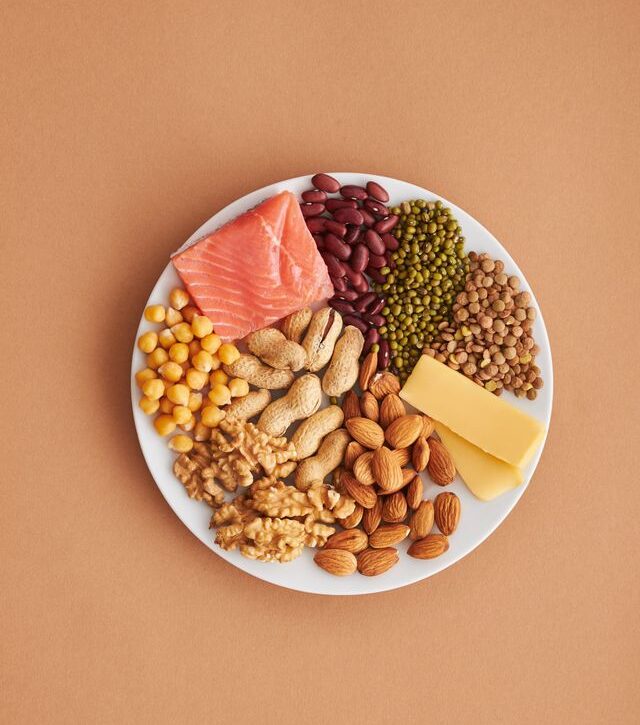
Chicken, eggs, tofu, fish, and Greek yogurt may support muscle retention and satiety.

High Fibre Foods

Vegetables, oats, legumes, and berries may improve digestion and fullness.

Low Glycemic Carbohydrates

Brown rice, quinoa, and whole grains may support more stable energy levels.

Hydration

Adequate fluid intake may reduce constipation and fatigue.

Smaller Balanced Meals

Patients often tolerate smaller portions better than large meals.

Eating Tips That May Reduce Side Effects

Simple eating habits may improve comfort during the adjustment phase.

Eat Slowly

Eating too quickly may worsen bloating and stomach discomfort.

Stop Eating When Full

Semaglutide reduces appetite signals. Continuing to eat beyond fullness may increase nausea.

Avoid Large Late Night Meals

Heavy evening meals may worsen reflux and indigestion.

Focus on Consistency

Stable meal timing often improves digestion and appetite control.

Singapore Food Choices While Using Ozempic

Many local meals contain hidden sugars, oils, and refined carbohydrates. Patients should make practical adjustments instead of avoiding familiar foods completely.

Hawker Foods to Limit

Fried noodles, sweetened drinks, deep fried snacks, and large rice portions may worsen symptoms and slow progress.

Better Local Meal Options

Fish soup, yong tau foo, sliced fish porridge, grilled chicken, steamed vegetables, and lower sugar beverages may support treatment goals.

Portion Awareness Matters

Even healthier foods may trigger discomfort when portions become too large.

Ozempic Singapore Price and Treatment Costs

The Semaglutide Singapore price varies depending on dosage, clinic consultation fees, and treatment duration.

Patients researching ozempic singapore price should understand that costs may include:

  • Doctor consultation
  • Prescription review
  • Medication supply
  • Follow-up monitoring
  • Delivery fees for online services

Lower prices from unlicensed sources may carry serious safety risks.

Ozempic Singapore Online Consultation Options

Telemedicine services now make medical consultations more accessible for eligible adults.

Patients searching for ozempic singapore online services often prefer:

  • Remote doctor consultations
  • Medication delivery
  • Follow-up support
  • Ongoing weight management guidance
  • Convenient prescription renewals

DoctorOnCall Singapore provides online consultation services that may help eligible patients discuss medically supervised weight management options with licensed doctors. Patients should complete a proper medical assessment before starting treatment because semaglutide may not suit everyone.

Who May Be Suitable for Ozempic?

Doctors may consider semaglutide for adults with:

  • Type 2 diabetes
  • Obesity
  • Weight-related health risks
  • Difficulty managing appetite and portion control

Medical history, current medications, digestive conditions, and metabolic health all influence suitability.

Important Safety Considerations

Patients should always follow professional medical guidance when using semaglutide. Ozempic may not suit individuals with certain thyroid conditions, pancreatitis history, severe gastrointestinal disease, or specific medication interactions. Pregnant and breastfeeding individuals should seek medical advice before considering treatment. Patients should never increase dosage independently to accelerate weight loss because rapid escalation may increase side effects significantly.

Final Thoughts

Interest in ozempic singapore treatments continues to grow because more adults want medically supervised weight management solutions with structured clinical support. Successful treatment depends on realistic expectations, proper nutrition, consistent follow up, and safe prescribing practices. Patients considering ozempic singapore clinic options should choose licensed providers that prioritize medical assessment, safety monitoring, and long term health outcomes.

If you’re considering Ozempic or other weight loss treatments, it’s important to seek professional advice to ensure safe and effective results. Consult a licensed healthcare provider to determine whether Ozempic is suitable for your health goals and medical history.

Book your Ozempic consultation with DoctorOnCall SG today — and take your first step toward safer, structured weight management.

Frequently Asked Questions

What is Ozempic used for?

Ozempic is a prescription medication used to help control blood sugar levels in adults with type 2 diabetes. It is also prescribed off-label for weight management.

Ozempic belongs to the class of GLP-1 receptor agonists. It helps regulate blood sugar, slow digestion, reduce appetite, and promote weight loss.

Ozempic is injected once weekly, on the same day each week, at any time of the day— with or without food.

The most common side effects include nausea, vomiting, diarrhea, stomach pain, and constipation. These usually improve over time.

Ozempic is not recommended for people with a history of medullary thyroid carcinoma, multiple endocrine neoplasia syndrome type 2, or those allergic to semaglutide. Always consult your doctor before starting.

Yes, Ozempic has been shown to support weight loss by reducing appetite and calorie intake.

In Singapore, Ozempic requires a prescription. However, you can order it via our Malaysia-based online pharmacy with a doctor’s consultation included.

Yes, we deliver Ozempic safely and discreetly across Singapore, with proper cold chain handling where required.

The cost typically starts from a few hundred dollars per month depending on dosage. Subscription and bulk purchase discounts are available.

Yes. All orders are packaged securely and discreetly to protect your privacy.

Standard delivery takes 3–5 working days, with express shipping available.

Absolutely. We only provide original, pharmacy-dispensed Ozempic from licensed and regulated sources.

People Also Ask

Is Ozempic used for weight loss?

Ozempic is not recommended in weight loss. But semaglutide has been used in weight loss under the name Wegovy. Ozempic contains lower dose of semaglutide compared to Wegovy. It is worth mentioning that when you begin taking any of these drugs to lose weight, your body will get accustomed to it and create a new norm.

Ozempic is a prescription-only drug that is only legal in Singapore and has been most commonly used to treat diabetes type 2.

The most common side effects of Ozempic are nausea, vomiting, diarrhea, stomach pain, constipation, upset stomach, heartburn, burping, gas, bloating, loss of appetite, runny nose or sore throat, stomach flu symptoms or headache, dizziness, tiredness, and low blood sugar (in diabetics with type 2).

Ozempic raises the amount of incretins -hormones- produced by the stomach released when you eat. It is effective by enabling your body to create extra insulin when it is necessary. It also lowers the volume of glucose, or sugar, that the liver produces, and it slows down the rate of food digestion.

Ozempic Rx should not be used in case you or any members of your family had MTC before, or in case you have an endocrine system disorder known as Multiple Endocrine Neoplasia syndrome type 2 (MEN 2).

It has been indicated that Ozempic would aid an average weight loss of approximately 6kg in 40 weeks. But since this is an average, it is not known to what degree each person will lose weight on Ozempic.

Is Ozempic safe? Weight loss by using ozempic or other semaglutide is not safe. It is discouraged because it may cause (or contribute to) a number of eating disorders, such as anorexia nervosa and bulimia nervosa.

Will Ozempic or Wegovy fat belly? The answer appears to be yes. The same Novo Nordisk-funded randomized controlled trial of nearly 2,000 overweight or obese non-diabetic adults also reported their visceral or belly fat was less than at baseline with semaglutide, as was their total fat mass.

Semaglutide (Ozempic/Wegovy)

Semaglutide injections cost between Ss400 and Ss600 per pen in Singapore where an injection pen has four doses of semaglutide per week. The drug begins with 0.25mg per week during the initial month with a gradual rise in dosage to 1mg or 2.4mg depending on the response and tolerance.

The injector is a very thin needle that enters the drug right under the skin, therefore, it is not injected into the muscle or the vein. In your thigh, stomach or upper arm you will inject. This injection may be painful to some degree but otherwise, it is not painful to majority.

You must have a prescription of Ozempic, yes. Excessive use of Ozempic or even using it improperly may cause such conditions as low blood sugar or harm to your pancreas or kidney. Inappropriate dosage can also cause the side effects that are not so pleasant as nausea, vomiting or diarrhea.

Your Ozempic face can also disappear once you use GLP-1 medications when you gain back the weight that you have lost. Nonetheless, it may affect your general health and wellbeing in an adverse way.

Nausea is most of the time mild to moderate and at its worst when you are first starting on the drug or when you are raising its dosage. It should ease up over time. Ozempic side effects included almost 1 out of every 10 individuals in the clinical trial throwing up. This may be due to the decreased rate of digestion and additional pressure in the belly region it imposes.

Ozempic Face is the primary cause of the following symptoms: Skin on the jawline (jowls), cheeks and under the eyes are sagging.

1. Sunken cheeks.

2. Hollow eye area.

To a few patients, the use of Ozempic may cause pancreatitis, which is the inflammation of the pancreas. This is mentioned on the warnings to Ozempic and before prescribing the drug, doctors will usually screen a medical history of a patient to identify any increased risk of pancreatic issues.

Ozempic without insurance costs approximately 998 per month list price. The producer of Ozempic, Novo Nordisk, has a direct-to-consumer program which brings the price to $499 per month; this plan is only offered to self-patients.

Ozempic has weight loss applicants.

  • A BMI over 30, or.
  • BMI greater than 27, and at least one of these weight-related health issues (e.g., type 2 diabetes, PCOS, high blood pressure)

Both the alcohol and the Ozempic have the risk of pancreatitis and kidney damage. It might not be a huge problem with Ozempic to have a drink or two every now and then. However, when you use Ozempic in combination with long-term or heavy alcohol consumption, two serious complications can be more likely, namely, pancreatitis and kidney damage.

Hair loss is not directly caused by Ozempic, but the quick weight loss that can occur with this medication commonly results in telogen effluvium which is a temporary condition of excessive hair loss. This physical burden on the body, coupled with possible nutritional deficiencies due to the lack of appetite can also be a cause of the hair loss. It typically lasts and must end once the body returns to normalcy, however, it is advisable to visit a physician in case the ailment persists or when you feel that you are having nutritional deficiencies.

Yes Ozempic may also make some individuals feel tired or fatigued, but it was defined as a rare side effect in clinical trials. The effect is mostly temporary and is observed in the first weeks of treatment as the body adapts to the effect of the medication on the blood sugar and appetite. These may be caused by hormonal changes, lack of calories and blood glucose variation.

Studies indicate that Ozempic promotes weight reduction of approximately 1kg or approximately 1.1% body weight in one month. Two months later, it is approximately 2kg or 2.2 of body weight.

It is quite normal to gain weight once Ozempic is stopped, and most people regain as much as two thirds of their weight in the first year.

Injecting Ozempic into the body is best done at the front of the thighs, at the front of the waist (abdomen) or even upper arms. They advise you change the location of injection every time you inject. In 4 weeks, you should take an increase in dose to 0.5 mg one week unless otherwise advised by your doctor.

Ozempic begins to act 1-3 days following the injection. Ozempic can also take 4 to 8 weeks before you start to feel the benefit and you actually feel the full effect after you begin treatment. Once you have been doing well at the current dose of Ozempic with a minimum of 4 weeks, your doctor can adjust your dose up to 1mg.

Is Ozempic made of lizard-venom? No, it is not full of lizard venom. However, drugs such as Ozempic were invented due to the work of a species of lizard that is called the Gila monster and whose venom opened the door to these medications. The reason is that it has exendin-4, a peptide related to GLP-1 in humans.

Ozempic is able to interact with insulin. It is also a reaction to insulin releasing drugs like sulfonylureas and glinides. Hypoglycemia, or low blood glucose is more probable under this interaction.

In six weeks, Dr. Shah reports that you will begin noticing the action of the medicine-which may indicate that you do not feel as hungry as you usually are. However, once again, all people are different.

Doctors usually will not prescribe Ozempic to some individuals. This involves individuals whose personal or family history has some thyroid cancers. It also consists of individuals who are or were affected in multiple endocrine neoplasia syndrome type 2 (MEN2).

Research and clinical trials established that the Ozempic may also induce fatigue in about 11 percent of the patients.

Weight loss drugs based on semaglutide, such as Ozempic, Wegovy, Rybelsus, and others, are all prescription-only drugs in Singapore. You should be consulted in detail in order to evaluate your eligibility and to check your safety during the treatment course.

Since Ozempic is a prescription drug, you will have to discuss it with a licensed health provider to know whether you are eligible to receive this medicine. You may do that during a face-to-face appointment or occasionally through telehealth.

Ozempic ® has severe side effects, which include:

  • inflammation of your pancreas (pancreatitis).
  • changes in vision.
  • low blood sugar (hypoglycemia).
  • dehydration causing kidney issues.
  • severe stomach problems.
  • serious allergic reactions.
  • gallbladder problems.

It can be used to make your body produce more insulin and slow down your digestion. Although this may result in better blood sugar level and weight loss, it may also lead to gastrointestinal (GI) adverse effects, including nausea. The most frequent side effect of Ozempic is nausea.

When you are not losing weight on Ozempic or some other GLP-1 drugs, it could be due to your metabolism or calorie burning rate. It may be referred to as the Ozempic plateau, but that can occur in an event of any weight loss program.

Note that Ozempic can lead to mild nausea or constipation which usually passes after a few weeks. Gastrointestinal symptoms may temporarily get worse or appear in the first place upon increasing the dosage. You can modify your diet and take over-the-counter medication to discontinue discomfort and alleviate nausea or other symptoms.

First, semaglutide impacts the pancreas and causes it to secrete more insulin. The insulin is then absorbed into the blood, and decreases the blood sugar. Second, Ozempic blocks the excessive series of sugar release in the bloodstream of your liver temporarily. Lastly, the drug slows down your intestinal passage in your stomach.

Does Manulife cover Ozempic to lose weight? No, Manulife does not provide cover of Ozempic weight loss when this drug is used off-label. But in case of the prescription of Ozempic to treat Type 2 diabetes, it might be covered but only after prior approval.

Ozempic can be given to individuals with prediabetes as prescribed by some doctors, particularly those who are also determined to be obese (body-mass index of 30kg or above). It should be noted that off label use of Ozempic is off label, i.e. it is not approved by the FDA.

Although this term is not a clinical one, people are using it to refer to unexpected alterations in the size and shape of the breasts that a result of the rapid weight loss caused by GLP-1 medications. This condition can be accompanied by a loss of volume, sagging, tenderness, and in some instances, changes in the size of the breast e.g. swelling.

The fast loss of weight with the help of drugs such as Ozempic, Wegovy, or Mounjaro may be life-altering. But to other people, there is a less attractive side effect of this change, commonly known as Ozempic Butt. This condition is marked by flatness, loss of volume of the buttocks and sagging.

The majority of the patients lose 15 pounds of weight in 2-3 months of treatment.

Drugs such as Ozempic and Wegovy have provided weight loss to millions of individuals who never expected to get such results. However, when you are feeling a bit emotionally different (irritated, nervous or depressed than usual), do not shrug it off. These GLP-1 side effects are beginning to be proving to be more than just physical.

The most common side effect of Ozempic is nausea. Still, not everyone has it. In the clinical trial approximately 1 out of 5 individuals had it. Nausea is typically mild to moderate and worst of all when you first begin the medication or when you are raising the dosage.

Consequently, when taking Ozempic, the following facial changes can be observed: more aging with lines and wrinkles, loss of fat which is considered to make skin loose and saggy, and hollow.

Ozempic is a glucagon-like peptide-1 receptor agonist (GLP-1RA) that retards the rate of stomach emptying. It can be characterized by the mild to moderate stomach upset and nausea. These are symptoms which may be short-lived and temporary. To alleviate the symptoms of indigestion, consume less food in parts over the day.

The maximum time that one can safely take Ozempic is unknown, provided one tolerates it and the doctor recommends it. The duration of most of the trials regarding medicines in this class of drugs covers a period of up to 18 months.

  • S$400 to S$600 per pen
  • Semaglutide (Ozempic/Wegovy)

In Singapore Semaglutide injection costs between S$400 and S600 per pen with 4 weekly doses per pen. The drug begins with 0.25mg per week in the first month, and then moves slowly to 1mg or 2.4 mg depending on the individual response and tolerability.

No, Ozempic is not safe or approved weight loss since it is only FDA approved in type 2 diabetes. Although it has weight-loss as a side effect, its use as such is off-label, and potentially risky, with serious side effects, drug interactions, and shortages posing a risk to people with diabetes. The same active ingredient, semaglutide, is also available as an approved weight loss under the name Wegovy.

Who should not use Ozempic?

  • Allergies to Ingredients. Ozempic should not be used in people who are allergic to one of the following.
  • Thyroid Cancer or Endocrine condition. …
  • Slowed Stomach Emptying. …
  • Kidney Problems. …
  • Vision Problems. …
  • Low Blood Sugar (Hypoglycemia). …
  • Other Medicines and Supplements. …
  • Pregnancy.

Without insurance or paying on your own, you may receive Ozempic 499 a month in 2 ways. Ozempic® with NovoCare® Pharmacy allows having it delivered to your home. You are also entitled to one of these savings offers which you can pick up at the local pharmacy when you collect your prescription.

These are five foods and beverages that should be avoided when using Ozempic.

  • Foods that are high in fat. High-fat foods may increase the side effects of Ozempic.
  • Sugary foods and drinks. Well, you are a diabetic; you understand that you have to restrict the amount of sweets and drinks.
  • Ultra-processed carbohydrates. …
  • Starchy vegetables. …
  • Alcohol.

Yes, Ozempic may make one feel tired or fatigued, but it is an uncommon side effect in clinical trials. Such an effect normally subsides after the first few weeks of medication as the body gets used to the actions of the medication on blood sugar and appetite. The possible reasons are hormonal changes, low calorie consumption and variations in the levels of blood glucose.