


SG Weightloss Weightloss Treatment

What I Wish I Knew Before Starting Ozempic
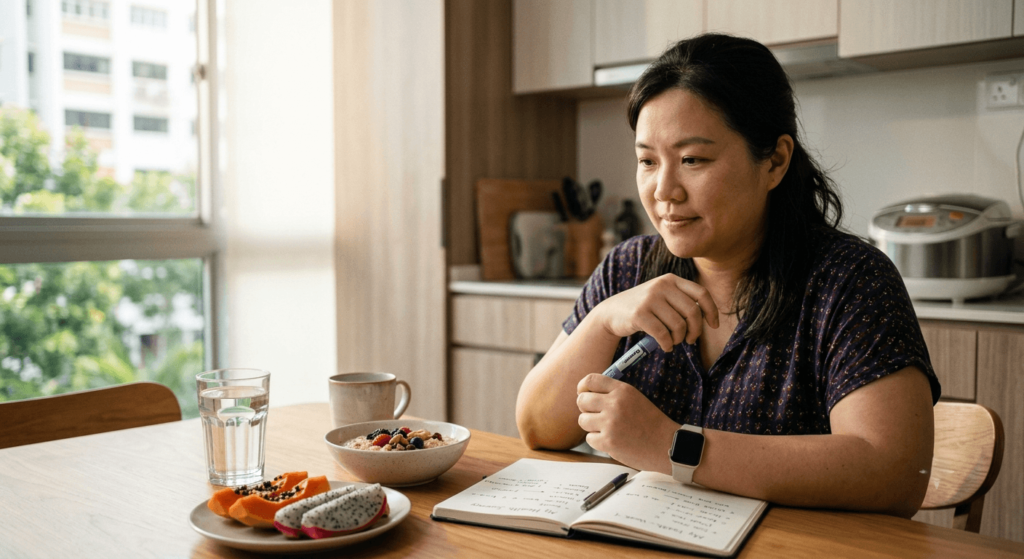
Starting Ozempic can feel exciting and overwhelming at the same time. Many people hear success stories about significant weight loss, reduced cravings, and better blood sugar control. However, the reality is often more nuanced than social media posts suggest. If you are considering Ozempic for weight management, understanding what to expect can help you achieve better results while avoiding common mistakes. This guide covers practical lessons many patients wish they had known before beginning treatment.

What Is Ozempic and How Does It Work?

Ozempic contains semaglutide, a medication that belongs to a class known as GLP-1 receptor agonists. It works by mimicking a natural hormone that helps regulate appetite, digestion, and blood sugar levels. Many people associate Ozempic with weight reduction because it helps users feel fuller for longer periods. This can naturally reduce calorie intake and support healthier eating habits. While Ozempic was originally developed for type 2 diabetes management, healthcare providers may prescribe semaglutide to suitable patients as part of a medically supervised weight management plan.

Who May Be Suitable for Ozempic?

Ozempic may be considered for adults who are overweight or living with obesity, particularly when lifestyle changes alone have not produced the desired results.

Doctors typically evaluate several factors before prescribing treatment, including:

  • Body mass index (BMI)
  • Existing medical conditions
  • Current medications
  • Weight loss history
  • Individual health goals

A consultation with a licensed healthcare professional is essential to determine whether Semaglutide is appropriate for your circumstances.

First Surprise: Weight Loss Is Not Instant

One of the biggest misconceptions about Ozempic is that weight loss happens immediately. Many patients notice appetite changes during the first few weeks. However, visible changes on the scale often take longer. Some people lose weight steadily, while others experience periods where progress slows down. Clinical studies have shown that semaglutide can support meaningful weight reduction when combined with dietary improvements and regular physical activity. Consistency often matters more than speed. Instead of focusing on weekly fluctuations, consider tracking trends over several months.

What to Expect During the First Month

Week 1

The first week is usually about adjusting to the medication.

Some users report:

  • Reduced hunger
  • Earlier fullness during meals
  • Mild nausea
  • Changes in bowel habits

Not everyone experiences these effects. Responses vary from person to person.

Weeks 2 to 4

As your body adapts, appetite control may become more noticeable.

You may find yourself:

  • Snacking less frequently
  • Feeling satisfied with smaller portions
  • Thinking less about food between meals

At the same time, some digestive symptoms may still occur. These are often temporary and improve with time.

Five Things I Wish I Knew Before Starting Ozempic
1. Smaller Meals Make a Big Difference

Large meals can worsen nausea and stomach discomfort. Many patients find it easier to tolerate treatment by eating smaller portions throughout the day. Slower eating can also help your body recognise fullness signals more effectively.

2. Protein Becomes More Important

Reduced appetite sometimes leads to lower protein intake. Protein helps preserve muscle mass during weight loss and contributes to satiety. Good options include fish, eggs, chicken, tofu, Greek yogurt, and legumes. Aim to include a protein source with every meal whenever possible.

3. Hydration Helps Manage Side Effects

Many common digestive symptoms become worse when fluid intake is inadequate. Drinking water regularly throughout the day may help reduce constipation and support overall wellbeing. Keep a water bottle nearby and sip consistently rather than waiting until you feel thirsty.

4. Exercise Still Matters

Ozempic can help reduce appetite, but it does not replace healthy habits. Walking, resistance training, and other forms of physical activity can help preserve muscle, improve fitness, and support long term weight management. Even modest increases in daily movement can make a difference.

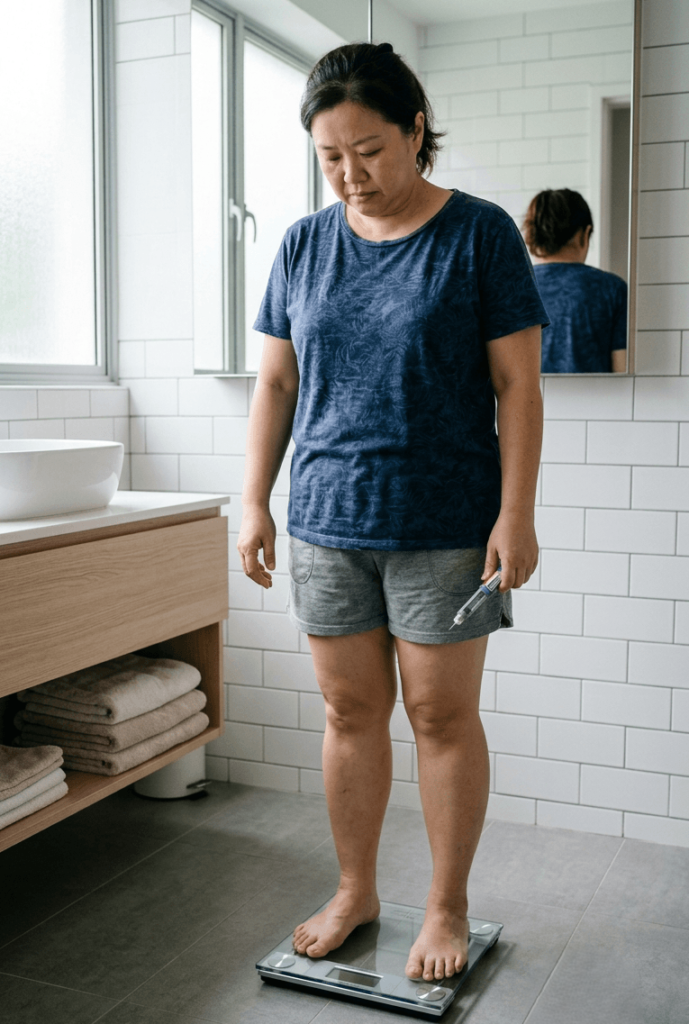
5. The Scale Does Not Tell the Whole Story

Some people focus entirely on kilograms lost.

However, improvements may also include:
  • Reduced waist circumference
  • Better energy levels
  • Improved mobility
  • Healthier eating patterns
  • Better metabolic health markers

These changes often occur before dramatic changes on the scale.

Common Ozempic Side Effects and How to Manage Them

Most side effects involve the digestive system and tend to occur during the early stages of treatment.

Nausea

Nausea is among the most commonly reported side effects.

Helpful strategies include:
  • Eating smaller meals
  • Avoiding heavy or greasy foods
  • Staying hydrated
  • Eating slowly

Constipation

Reduced food intake can sometimes affect bowel movements. Increasing fibre intake and maintaining adequate hydration may help support digestive regularity.

Diarrhoea

Some individuals experience temporary diarrhoea while adjusting to treatment. Choosing simpler meals and avoiding rich foods may reduce discomfort.

Bloating

A feeling of fullness or bloating can occur because digestion slows down. Eating smaller portions and avoiding overeating often helps minimise symptoms. If side effects become severe or persistent, speak with your healthcare provider promptly.

The Emotional Side of Starting Ozempic

Most discussions about Ozempic focus on weight loss and side effects. However, many patients are surprised by the emotional changes that can occur during treatment. For some people, eating is closely linked to stress relief, socialising, celebration, or comfort. As appetite decreases, patients may need time to adjust to new routines and habits. It is normal to experience mixed emotions during the first few months. Some individuals feel encouraged by their progress, while others may feel frustrated if results do not appear as quickly as expected. Setting realistic goals and focusing on overall health improvements rather than just weight can help create a more positive experience.

How to Build Healthy Habits While Taking Ozempic

Ozempic can make it easier to eat less, but long term success often depends on the habits you build alongside treatment. Small changes are usually easier to maintain than drastic lifestyle overhauls.

Examples include:
  • Walking for 20 to 30 minutes daily
  • Increasing vegetable intake
  • Choosing water instead of sugary drinks
  • Preparing healthier meals at home
  • Maintaining a consistent sleep schedule

These habits can continue supporting your health even after treatment goals have been achieved.

Why Sleep Matters More Than Most People Realise

Many people focus on diet and exercise but overlook the importance of sleep. Poor sleep can increase hunger hormones, reduce energy levels, and make healthy food choices more difficult. Lack of sleep may also affect weight loss progress over time. Adults should aim for seven to nine hours of quality sleep each night whenever possible. Establishing a regular bedtime routine may support both overall health and weight management efforts.

What Foods Should You Eat While Taking Ozempic?

There is no specific Ozempic diet. However, certain eating habits can make treatment more comfortable and effective.

Consider prioritising:
  • Lean proteins
  • Vegetables
  • Fruits
  • Whole grains
  • Fibre rich foods

Many Singaporeans find that lighter meals such as fish soup, yong tau foo, steamed vegetables, and grilled proteins are easier to tolerate than fried or oily foods. Limiting highly processed foods and sugary beverages may further support your progress.

How Much Weight Can You Lose?

Factors that influence outcomes include:
  • Starting weight
  • Dosage prescribed
  • Dietary habits
  • Physical activity levels
  • Treatment adherence

The goal should not be rapid weight loss. Sustainable progress is generally associated with better long term outcomes and improved health.

Ozempic Singapore Price: What Should You Expect?

One of the most common questions involves ozempic singapore price and Semaglutide Singapore price. Costs can vary based on dosage, consultation fees, medication availability, and healthcare provider policies. Patients should consider the overall treatment plan rather than medication cost alone. Follow up consultations, monitoring, and professional medical guidance are important components of safe treatment.

Where to Buy Ozempic in Singapore

Many people search for ozempic singapore where to buy and ozempic singapore online when exploring treatment options for weight management. Ozempic is a prescription medication and should only be obtained through licensed healthcare providers and regulated pharmacies in Singapore. Before starting treatment, patients should undergo a medical consultation to determine whether semaglutide is suitable for their health needs and weight loss goals. Platforms such as DoctorOnCall Singapore provide access to licensed doctors who can assess your eligibility through a consultation, discuss potential benefits and risks, and prescribe treatment when medically appropriate. If approved, patients can receive guidance on dosage, follow up care, and ongoing treatment monitoring. Choosing a trusted healthcare provider helps ensure medication authenticity, proper medical supervision, and a safer treatment experience throughout your weight management journey.

Choosing an Ozempic Singapore Clinic

When evaluating an ozempic singapore clinic, it is important to look beyond pricing alone. Safe and effective treatment depends on proper medical assessment, ongoing monitoring, and access to professional support throughout your weight loss journey.

Consider the following factors:
  • Doctor qualifications and experience with weight management treatments
  • Follow up consultations to monitor progress and side effects
  • Access to authentic, prescription-only medication
  • Personalised treatment plans based on your health profile
  • Convenient consultation options and ongoing patient support

Providers such as DoctorOnCall Singapore offer access to licensed doctors who can assess your suitability for treatment, provide medical guidance, and support you throughout your weight management programme. Comprehensive medical supervision can help improve both safety and long term treatment outcomes.

Can You Get Ozempic Through Online Consultation?

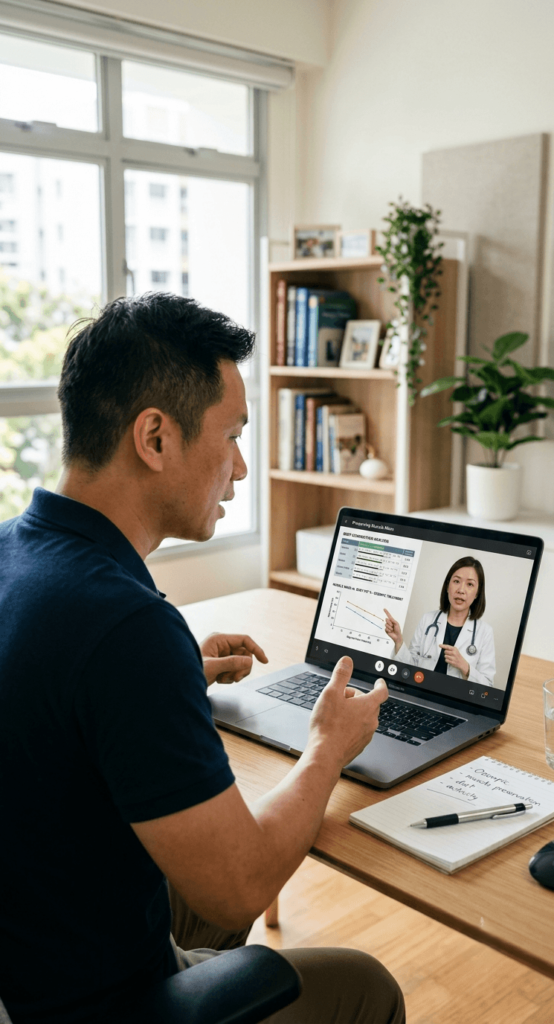
Telemedicine has made weight management services more accessible for many Singapore residents. Patients interested in ozempic singapore weight loss treatment may benefit from virtual consultations that allow doctors to assess eligibility remotely.

DoctorOnCall Singapore provides access to licensed doctors who can evaluate your suitability for treatment, answer medication related questions, and guide you through the next steps if appropriate.

Singapore-Friendly Meal Ideas While Taking Ozempic

Many first time users find that lighter meals are easier to tolerate during the first few weeks of treatment. Choosing foods that are high in protein and lower in fat may help reduce nausea and support weight loss goals.

Good hawker centre options include:
  • Fish soup with extra vegetables and less rice
  • Yong tau foo with clear soup instead of fried items
  • Sliced fish porridge without fried dough fritters
  • Thunder tea rice with additional tofu or fish
  • Steamed chicken rice with reduced rice portions and no skin
  • Ban mian or mee hoon kueh with extra vegetables and lean protein

Foods that may worsen nausea, bloating, or stomach discomfort include:
  • Fried Hokkien mee
  • Nasi lemak with fried chicken
  • Char kway teow
  • Roti prata with curry
  • Large portions of mala dishes
  • Bubble tea and sugar sweetened beverages

Many patients also find it helpful to avoid very large meals during family gatherings, buffet dinners, and festive celebrations. Eating slowly and stopping when comfortably full can reduce digestive discomfort while helping maintain steady progress. These practical adjustments often make Ozempic weight loss Singapore journeys more sustainable without requiring extreme dietary restrictions.

Ozempic Singapore Price: How Much Does Treatment Cost?

Many patients researching ozempic singapore price or Semaglutide Singapore price want to understand the total cost before starting treatment. In Singapore, a monthly supply of Ozempic typically ranges from approximately SGD $250 to SGD $600, depending on the prescribed dosage, medication availability, and healthcare provider. Consultation fees are usually charged separately and may vary between providers. Patients should also consider the cost of follow up reviews, dosage adjustments, and ongoing medical monitoring when budgeting for treatment. DoctorOnCall Singapore provides access to licensed doctors who can advise on treatment suitability, expected costs, and available weight management options during consultation.

Is Ozempic Covered by Insurance or Medisave?

Currently, Ozempic prescribed for weight management is generally not claimable under Medisave in Singapore. Most patients should expect treatment costs to be paid out of pocket. Coverage may differ for patients prescribed semaglutide for specific medical conditions. Patients should check directly with their insurer and healthcare provider for the latest information.

Why Some People Lose Weight Faster Than Others on Ozempic

It is common to compare your progress with other people online. However, weight loss results can vary significantly between individuals. Several factors influence how quickly someone responds to semaglutide, including their starting weight, eating habits, activity levels, sleep quality, medical conditions, and prescribed dosage. For example, a person with a higher starting weight may experience larger numerical weight loss during the first few months compared to someone who has less weight to lose. This does not necessarily mean the treatment is working better. Rather than comparing yourself with others, focus on your own long term progress and overall health improvements.

What Happens If You Stop Taking Ozempic?

Many patients wonder whether they can stop treatment once they reach their target weight. Research suggests that some people may regain weight after discontinuing semaglutide, especially if healthy eating habits and physical activity are not maintained. This occurs because appetite regulation may gradually return to pre-treatment levels. For this reason, healthcare providers often emphasize building sustainable lifestyle habits while using Ozempic. The medication works best when it supports long term behavioural changes rather than acting as a short term solution. Before stopping treatment, always consult your doctor to discuss the safest approach based on your individual circumstances.

Ozempic and Exercise: Do You Still Need to Work Out?

A common misconception is that Ozempic eliminates the need for exercise. While the medication can reduce appetite, physical activity remains an important part of successful weight management. Exercise helps preserve lean muscle mass, improve cardiovascular health, increase daily energy expenditure, and support long term weight maintenance. You do not need an intense workout routine to benefit. Many people begin with simple activities such as brisk walking, swimming, cycling, or strength training two to three times per week. Combining semaglutide with regular movement often produces better outcomes than relying on medication alone.

Signs That Ozempic Is Starting to Work

Many people expect the scale to be the first sign that treatment is working. In reality, several changes may appear before significant weight loss becomes noticeable.

Common early signs include:
  • Feeling full sooner during meals
  • Reduced snacking between meals
  • Fewer cravings for sugary foods
  • Better portion control
  • Less frequent thoughts about food

These changes can indicate that the medication is helping regulate appetite, even if your weight has not changed dramatically yet.

Common Mistakes New Ozempic Users Make

Starting Ozempic can involve a learning curve. Certain habits may make side effects worse or reduce treatment effectiveness.

Some of the most common mistakes include:
  • Skipping meals completely
  • Eating large portions because of social events
  • Drinking too little water
  • Expecting rapid weight loss
  • Ignoring protein intake
  • Stopping treatment without medical advice

Understanding these challenges early can help create a smoother and more sustainable experience.

How to Prepare for Your First Ozempic Consultation

Whether you are visiting a clinic or using a telemedicine platform, preparing for your consultation can help your doctor assess whether treatment is appropriate.

Before your appointment, consider gathering:
  • Your current weight and height
  • Recent medical history
  • Current medications
  • Previous weight loss attempts
  • Any existing health conditions

Healthcare providers such as DoctorOnCall Singapore may also discuss your lifestyle, eating habits, and long term weight management goals before recommending treatment.

Final Thoughts

Starting Ozempic is not simply about taking a weekly injection. Successful outcomes often depend on realistic expectations, consistent habits, proper medical supervision, and patience. Many people wish they had known that progress takes time and that lifestyle changes remain important throughout the journey. If you are considering semaglutide treatment, speaking with a qualified healthcare professional can help you understand your options and determine the safest path forward for your health goals.

If you’re considering Ozempic or other weight loss treatments, it’s important to seek professional advice to ensure safe and effective results. Consult a licensed healthcare provider to determine whether Ozempic is suitable for your health goals and medical history. You can access licensed medical advice and conveniently obtain prescribed medications online through DoctorOnCall.

Book your Ozempic consultation with DoctorOnCall SG today — and take your first step toward safer, structured weight management.

Frequently Asked Questions

What is Ozempic used for?

Ozempic is a prescription medication used to help control blood sugar levels in adults with type 2 diabetes. It is also prescribed off-label for weight management.

Ozempic belongs to the class of GLP-1 receptor agonists. It helps regulate blood sugar, slow digestion, reduce appetite, and promote weight loss.

Ozempic is injected once weekly, on the same day each week, at any time of the day— with or without food.

The most common side effects include nausea, vomiting, diarrhea, stomach pain, and constipation. These usually improve over time.

Ozempic is not recommended for people with a history of medullary thyroid carcinoma, multiple endocrine neoplasia syndrome type 2, or those allergic to semaglutide. Always consult your doctor before starting.

Yes, Ozempic has been shown to support weight loss by reducing appetite and calorie intake.

In Singapore, Ozempic requires a prescription. However, you can order it via our Malaysia-based online pharmacy with a doctor’s consultation included.

Yes, we deliver Ozempic safely and discreetly across Singapore, with proper cold chain handling where required.

The cost typically starts from a few hundred dollars per month depending on dosage. Subscription and bulk purchase discounts are available.

Yes. All orders are packaged securely and discreetly to protect your privacy.

Standard delivery takes 3–5 working days, with express shipping available.

Absolutely. We only provide original, pharmacy-dispensed Ozempic from licensed and regulated sources.

People Also Ask

Is Ozempic used for weight loss?

Ozempic is not recommended in weight loss. But semaglutide has been used in weight loss under the name Wegovy. Ozempic contains lower dose of semaglutide compared to Wegovy. It is worth mentioning that when you begin taking any of these drugs to lose weight, your body will get accustomed to it and create a new norm.

Ozempic is a prescription-only drug that is only legal in Singapore and has been most commonly used to treat diabetes type 2.

The most common side effects of Ozempic are nausea, vomiting, diarrhea, stomach pain, constipation, upset stomach, heartburn, burping, gas, bloating, loss of appetite, runny nose or sore throat, stomach flu symptoms or headache, dizziness, tiredness, and low blood sugar (in diabetics with type 2).

Ozempic raises the amount of incretins -hormones- produced by the stomach released when you eat. It is effective by enabling your body to create extra insulin when it is necessary. It also lowers the volume of glucose, or sugar, that the liver produces, and it slows down the rate of food digestion.

Ozempic Rx should not be used in case you or any members of your family had MTC before, or in case you have an endocrine system disorder known as Multiple Endocrine Neoplasia syndrome type 2 (MEN 2).

It has been indicated that Ozempic would aid an average weight loss of approximately 6kg in 40 weeks. But since this is an average, it is not known to what degree each person will lose weight on Ozempic.

Is Ozempic safe? Weight loss by using ozempic or other semaglutide is not safe. It is discouraged because it may cause (or contribute to) a number of eating disorders, such as anorexia nervosa and bulimia nervosa.

Will Ozempic or Wegovy fat belly? The answer appears to be yes. The same Novo Nordisk-funded randomized controlled trial of nearly 2,000 overweight or obese non-diabetic adults also reported their visceral or belly fat was less than at baseline with semaglutide, as was their total fat mass.

Semaglutide (Ozempic/Wegovy)

Semaglutide injections cost between Ss400 and Ss600 per pen in Singapore where an injection pen has four doses of semaglutide per week. The drug begins with 0.25mg per week during the initial month with a gradual rise in dosage to 1mg or 2.4mg depending on the response and tolerance.

The injector is a very thin needle that enters the drug right under the skin, therefore, it is not injected into the muscle or the vein. In your thigh, stomach or upper arm you will inject. This injection may be painful to some degree but otherwise, it is not painful to majority.

You must have a prescription of Ozempic, yes. Excessive use of Ozempic or even using it improperly may cause such conditions as low blood sugar or harm to your pancreas or kidney. Inappropriate dosage can also cause the side effects that are not so pleasant as nausea, vomiting or diarrhea.

Your Ozempic face can also disappear once you use GLP-1 medications when you gain back the weight that you have lost. Nonetheless, it may affect your general health and wellbeing in an adverse way.

Nausea is most of the time mild to moderate and at its worst when you are first starting on the drug or when you are raising its dosage. It should ease up over time. Ozempic side effects included almost 1 out of every 10 individuals in the clinical trial throwing up. This may be due to the decreased rate of digestion and additional pressure in the belly region it imposes.

Ozempic Face is the primary cause of the following symptoms: Skin on the jawline (jowls), cheeks and under the eyes are sagging.

1. Sunken cheeks.

2. Hollow eye area.

To a few patients, the use of Ozempic may cause pancreatitis, which is the inflammation of the pancreas. This is mentioned on the warnings to Ozempic and before prescribing the drug, doctors will usually screen a medical history of a patient to identify any increased risk of pancreatic issues.

Ozempic without insurance costs approximately 998 per month list price. The producer of Ozempic, Novo Nordisk, has a direct-to-consumer program which brings the price to $499 per month; this plan is only offered to self-patients.

Ozempic has weight loss applicants.

  • A BMI over 30, or.
  • BMI greater than 27, and at least one of these weight-related health issues (e.g., type 2 diabetes, PCOS, high blood pressure)

Both the alcohol and the Ozempic have the risk of pancreatitis and kidney damage. It might not be a huge problem with Ozempic to have a drink or two every now and then. However, when you use Ozempic in combination with long-term or heavy alcohol consumption, two serious complications can be more likely, namely, pancreatitis and kidney damage.

Hair loss is not directly caused by Ozempic, but the quick weight loss that can occur with this medication commonly results in telogen effluvium which is a temporary condition of excessive hair loss. This physical burden on the body, coupled with possible nutritional deficiencies due to the lack of appetite can also be a cause of the hair loss. It typically lasts and must end once the body returns to normalcy, however, it is advisable to visit a physician in case the ailment persists or when you feel that you are having nutritional deficiencies.

Yes Ozempic may also make some individuals feel tired or fatigued, but it was defined as a rare side effect in clinical trials. The effect is mostly temporary and is observed in the first weeks of treatment as the body adapts to the effect of the medication on the blood sugar and appetite. These may be caused by hormonal changes, lack of calories and blood glucose variation.

Studies indicate that Ozempic promotes weight reduction of approximately 1kg or approximately 1.1% body weight in one month. Two months later, it is approximately 2kg or 2.2 of body weight.

It is quite normal to gain weight once Ozempic is stopped, and most people regain as much as two thirds of their weight in the first year.

Injecting Ozempic into the body is best done at the front of the thighs, at the front of the waist (abdomen) or even upper arms. They advise you change the location of injection every time you inject. In 4 weeks, you should take an increase in dose to 0.5 mg one week unless otherwise advised by your doctor.

Ozempic begins to act 1-3 days following the injection. Ozempic can also take 4 to 8 weeks before you start to feel the benefit and you actually feel the full effect after you begin treatment. Once you have been doing well at the current dose of Ozempic with a minimum of 4 weeks, your doctor can adjust your dose up to 1mg.

Is Ozempic made of lizard-venom? No, it is not full of lizard venom. However, drugs such as Ozempic were invented due to the work of a species of lizard that is called the Gila monster and whose venom opened the door to these medications. The reason is that it has exendin-4, a peptide related to GLP-1 in humans.

Ozempic is able to interact with insulin. It is also a reaction to insulin releasing drugs like sulfonylureas and glinides. Hypoglycemia, or low blood glucose is more probable under this interaction.

In six weeks, Dr. Shah reports that you will begin noticing the action of the medicine-which may indicate that you do not feel as hungry as you usually are. However, once again, all people are different.

Doctors usually will not prescribe Ozempic to some individuals. This involves individuals whose personal or family history has some thyroid cancers. It also consists of individuals who are or were affected in multiple endocrine neoplasia syndrome type 2 (MEN2).

Research and clinical trials established that the Ozempic may also induce fatigue in about 11 percent of the patients.

Weight loss drugs based on semaglutide, such as Ozempic, Wegovy, Rybelsus, and others, are all prescription-only drugs in Singapore. You should be consulted in detail in order to evaluate your eligibility and to check your safety during the treatment course.

Since Ozempic is a prescription drug, you will have to discuss it with a licensed health provider to know whether you are eligible to receive this medicine. You may do that during a face-to-face appointment or occasionally through telehealth.

Ozempic ® has severe side effects, which include:

  • inflammation of your pancreas (pancreatitis).
  • changes in vision.
  • low blood sugar (hypoglycemia).
  • dehydration causing kidney issues.
  • severe stomach problems.
  • serious allergic reactions.
  • gallbladder problems.

It can be used to make your body produce more insulin and slow down your digestion. Although this may result in better blood sugar level and weight loss, it may also lead to gastrointestinal (GI) adverse effects, including nausea. The most frequent side effect of Ozempic is nausea.

When you are not losing weight on Ozempic or some other GLP-1 drugs, it could be due to your metabolism or calorie burning rate. It may be referred to as the Ozempic plateau, but that can occur in an event of any weight loss program.

Note that Ozempic can lead to mild nausea or constipation which usually passes after a few weeks. Gastrointestinal symptoms may temporarily get worse or appear in the first place upon increasing the dosage. You can modify your diet and take over-the-counter medication to discontinue discomfort and alleviate nausea or other symptoms.

First, semaglutide impacts the pancreas and causes it to secrete more insulin. The insulin is then absorbed into the blood, and decreases the blood sugar. Second, Ozempic blocks the excessive series of sugar release in the bloodstream of your liver temporarily. Lastly, the drug slows down your intestinal passage in your stomach.

Does Manulife cover Ozempic to lose weight? No, Manulife does not provide cover of Ozempic weight loss when this drug is used off-label. But in case of the prescription of Ozempic to treat Type 2 diabetes, it might be covered but only after prior approval.

Ozempic can be given to individuals with prediabetes as prescribed by some doctors, particularly those who are also determined to be obese (body-mass index of 30kg or above). It should be noted that off label use of Ozempic is off label, i.e. it is not approved by the FDA.

Although this term is not a clinical one, people are using it to refer to unexpected alterations in the size and shape of the breasts that a result of the rapid weight loss caused by GLP-1 medications. This condition can be accompanied by a loss of volume, sagging, tenderness, and in some instances, changes in the size of the breast e.g. swelling.

The fast loss of weight with the help of drugs such as Ozempic, Wegovy, or Mounjaro may be life-altering. But to other people, there is a less attractive side effect of this change, commonly known as Ozempic Butt. This condition is marked by flatness, loss of volume of the buttocks and sagging.

The majority of the patients lose 15 pounds of weight in 2-3 months of treatment.

Drugs such as Ozempic and Wegovy have provided weight loss to millions of individuals who never expected to get such results. However, when you are feeling a bit emotionally different (irritated, nervous or depressed than usual), do not shrug it off. These GLP-1 side effects are beginning to be proving to be more than just physical.

The most common side effect of Ozempic is nausea. Still, not everyone has it. In the clinical trial approximately 1 out of 5 individuals had it. Nausea is typically mild to moderate and worst of all when you first begin the medication or when you are raising the dosage.

Consequently, when taking Ozempic, the following facial changes can be observed: more aging with lines and wrinkles, loss of fat which is considered to make skin loose and saggy, and hollow.

Ozempic is a glucagon-like peptide-1 receptor agonist (GLP-1RA) that retards the rate of stomach emptying. It can be characterized by the mild to moderate stomach upset and nausea. These are symptoms which may be short-lived and temporary. To alleviate the symptoms of indigestion, consume less food in parts over the day.

The maximum time that one can safely take Ozempic is unknown, provided one tolerates it and the doctor recommends it. The duration of most of the trials regarding medicines in this class of drugs covers a period of up to 18 months.

  • S$400 to S$600 per pen
  • Semaglutide (Ozempic/Wegovy)

In Singapore Semaglutide injection costs between S$400 and S600 per pen with 4 weekly doses per pen. The drug begins with 0.25mg per week in the first month, and then moves slowly to 1mg or 2.4 mg depending on the individual response and tolerability.

No, Ozempic is not safe or approved weight loss since it is only FDA approved in type 2 diabetes. Although it has weight-loss as a side effect, its use as such is off-label, and potentially risky, with serious side effects, drug interactions, and shortages posing a risk to people with diabetes. The same active ingredient, semaglutide, is also available as an approved weight loss under the name Wegovy.

Who should not use Ozempic?

  • Allergies to Ingredients. Ozempic should not be used in people who are allergic to one of the following.
  • Thyroid Cancer or Endocrine condition. …
  • Slowed Stomach Emptying. …
  • Kidney Problems. …
  • Vision Problems. …
  • Low Blood Sugar (Hypoglycemia). …
  • Other Medicines and Supplements. …
  • Pregnancy.

Without insurance or paying on your own, you may receive Ozempic 499 a month in 2 ways. Ozempic® with NovoCare® Pharmacy allows having it delivered to your home. You are also entitled to one of these savings offers which you can pick up at the local pharmacy when you collect your prescription.

These are five foods and beverages that should be avoided when using Ozempic.

  • Foods that are high in fat. High-fat foods may increase the side effects of Ozempic.
  • Sugary foods and drinks. Well, you are a diabetic; you understand that you have to restrict the amount of sweets and drinks.
  • Ultra-processed carbohydrates. …
  • Starchy vegetables. …
  • Alcohol.

Yes, Ozempic may make one feel tired or fatigued, but it is an uncommon side effect in clinical trials. Such an effect normally subsides after the first few weeks of medication as the body gets used to the actions of the medication on blood sugar and appetite. The possible reasons are hormonal changes, low calorie consumption and variations in the levels of blood glucose.